By Kalu Obasi Benjamin
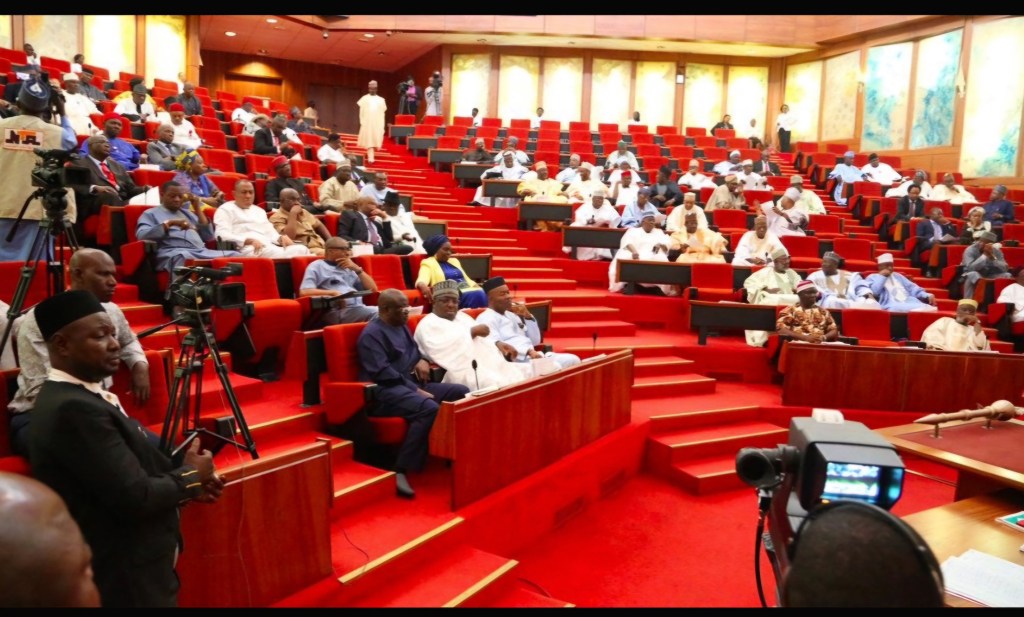
The Nigerian Senate witnessed a chaotic session on Tuesday as lawmakers finalized amendments to the Electoral Act. While the chamber officially approved the electronic transmission of election results, it sparked intense debate by deleting a crucial clause that would have required those results to be uploaded in “real-time.”
The tension began when Senate Chief Whip, Senator Tahir Monguno, moved a motion to rescind a previous decision on Clause 60(3). He proposed changing the word “transfer” to “transmission” but notably omitted the requirement for “real-time” delivery to the IREV portal. This omission was immediately met with a wave of protests and points of order from opposing lawmakers.
The “real-time” clause has been a major sticking point for pro-reform advocates, who argue that immediate uploads prevent the manipulation of results during manual collation. Supporters of the removal, however, suggest that the change provides the Independent National Electoral Commission (INEC) with necessary flexibility, particularly in areas with poor internet connectivity or security challenges.
The session grew increasingly rowdy, reaching a peak when Senator Enyinnaya Abaribe called for a “division”—a formal procedure where each senator’s vote is recorded individually. This move momentarily stalled the proceedings as Senate President Godswill Akpabio acknowledged the request, highlighting the deep divide within the hallowed chamber.
Ultimately, the Senate moved forward with the amended version, and Senator Abaribe withdrew his call for a division.
The decision has already drawn sharp criticism from civil society organizations, who warn that removing the “real-time” mandate could undermine public trust in the transparency of future elections.

Leave a comment