By Kalu Obasi Benjamin
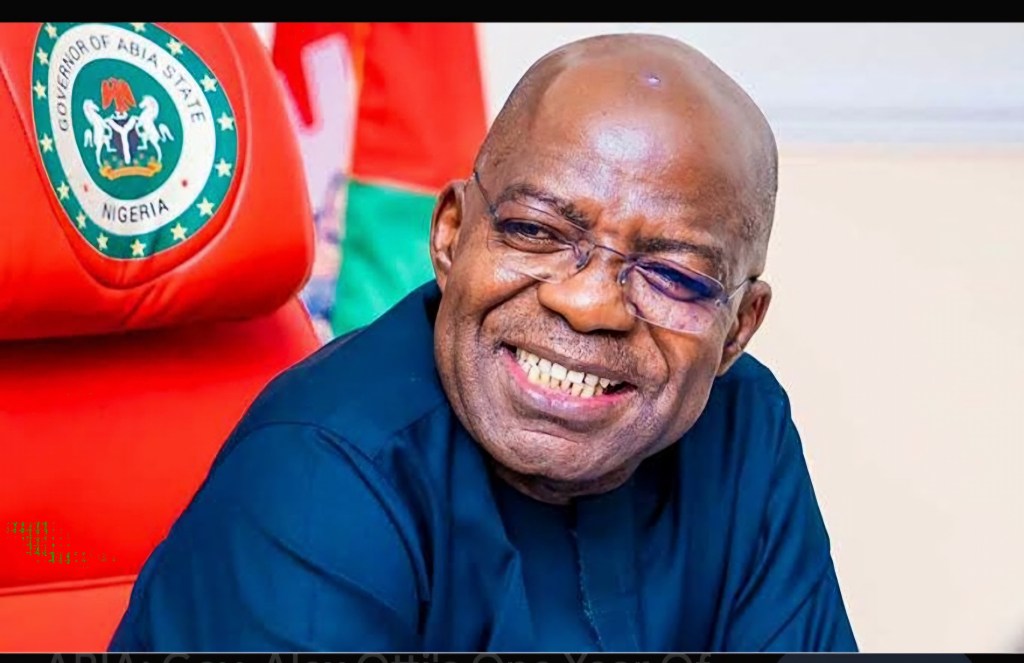
Abia State is officially breaking up with Nigeria’s unstable national grid. Governor Alex Otti recently shared the exciting news that the state remained powered up during the latest national grid collapse—the second one already in 2026—thanks to a new independent power system.
While other parts of the country were plunged into darkness on Tuesday, many residents in Abia didn’t even notice a flicker.The secret behind this steady power is a clever “waste-to-energy” project.
The state government has started a pilot program that collects organic waste (like food scraps and farm leftovers) and converts it into biogas. This gas is then used to generate clean electricity for homes and businesses. Instead of letting trash rot in landfills, the state is using it to keep the lights on and power local farms.
To make this work, Abia has taken full control of its energy future. On December 24, the state officially moved away from the federal regulator (NERC) and set up its own electricity authority. This means Abia now has the legal power to manage its own generation, transmission, and distribution. It is no longer waiting for permission from the federal government to fix its power issues.
Governor Otti also confirmed that a deal has been struck with the Enugu Electricity Distribution Company (EEDC). The state is currently raising the funds to pay off the EEDC so it can fully own and manage its power assets. This move follows the successful example of the “Aba Power” project, which has already been providing more reliable electricity to parts of the state for some time.
By investing in renewable energy and local regulation, Abia is creating a “safety bubble” that protects it from national energy disasters. Governor Otti believes that being self-sufficient is the only way to ensure efficiency and independence. For Abia residents, the message is clear: the state is moving away from the “national darkness” and toward a brighter, trash-powered future.

Leave a comment